
Indigenous Teacher Education Program
Indigenous Program Overview
Domestic Students
**
About the Program
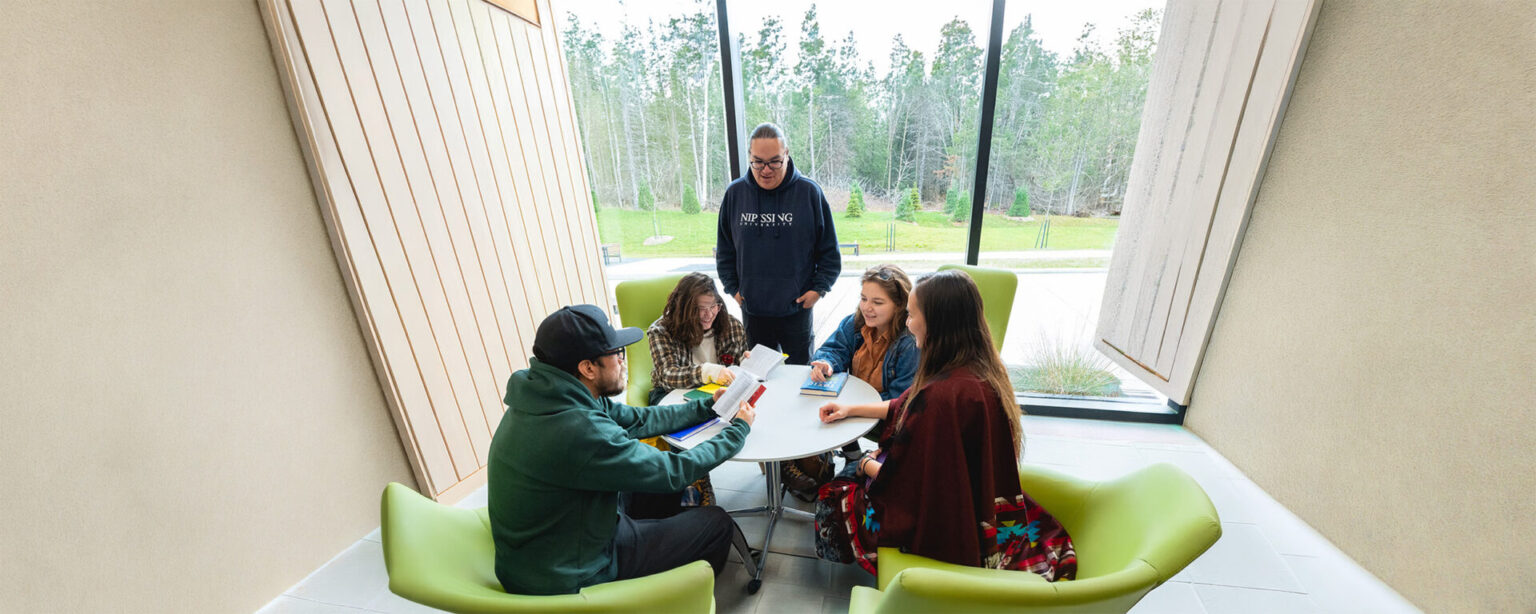
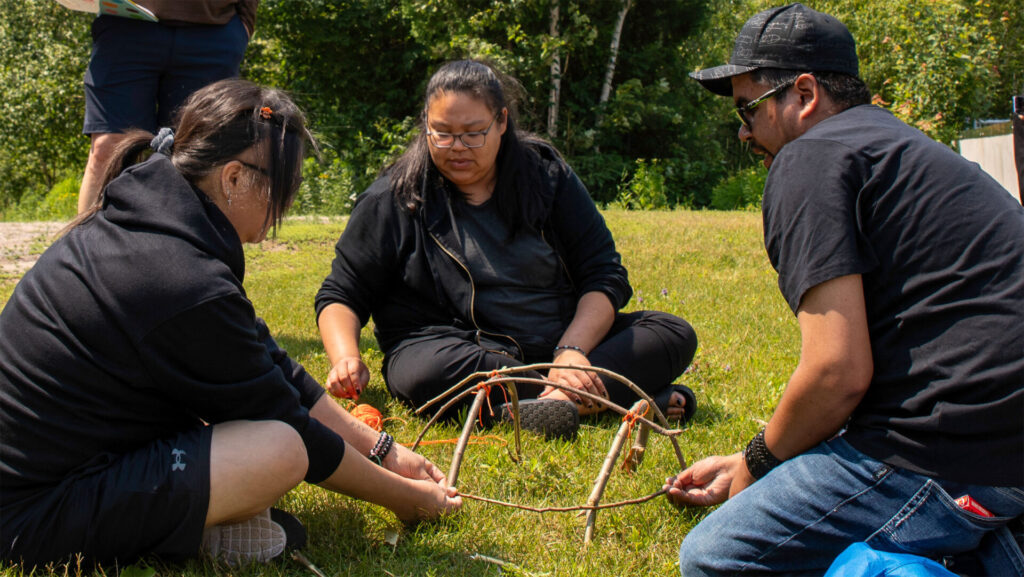
The Indigenous Teacher Education Program (ITEP) Degree/Diploma program is available for individuals of Indigenous ancestry. This program prepares individuals to develop culturally relevant teaching strategies to deliver curricular knowledge within an Indigenous worldview. Upon completion, successful graduates will earn a Certificate of Qualification from the Ontario College of Teachers in the Primary/Junior Divisions. The program’s schedule is designed for working educational professionals, completing online courses during the school year, and on-campus courses during July.
Program Structure
Year 1
| Spring (online) | Summer (on-campus) | Fall (online) | Winter (online) |
|---|---|---|---|
| Introduction to Curriculum Design and Inquiry | Introduction to Curriculum Design and Inquiry (continuation of spring online course) Science and Technology for the Primary/Junior Divisions Mathematics for the Primary/Junior Divisions | Assessment, Evaluation and Communication of Students Learning | Special Needs of Students |
| Practicum I (4 weeks in a PJ classroom) | Practicum 1 (4 weeks in a PJ classroom) |
Year 2
| Spring (online) | Summer (on-campus) | Fall (online) | Winter (online) |
|---|---|---|---|
| Legal and Social Foundations of Education | Visual Arts for the Primary/Junior Divisions Health and Physical Education for the Primary/Junior Divisions Social Studies for the Primary/Junior Divisions | Curriculum Design and Inquiry | History, Policy and Indigenous Education |
| Practicum II** (5 weeks) in a P/J classroom | Practicum II** (5 weeks) in a P/J classroom |
Year 3
| Spring (online) | Summer (on-campus) | Fall (online) | Winter (online) |
|---|---|---|---|
| Early and Emergent Literacies | Understanding Indigenous Pedagogies Languages and Literacies for the Primary/Junior Divisions Music for the Primary/Junior Divisions | Diversity and Inclusion | Technology Enriched Teaching and Learning |
| Practicum III** (6 weeks) in a P/J classroom | Practicum III** (6 weeks) in a P/J classroom |
Please note individual courses may be delivered in a different semester than indicated above at the discretion of the university
* Year 2 and Year 3 courses alternate every other year
** Practicum II and Practicum III are either scheduled in the fall or winter semester (not both semesters) by the university
Resources
Program Related
Admission Requirements
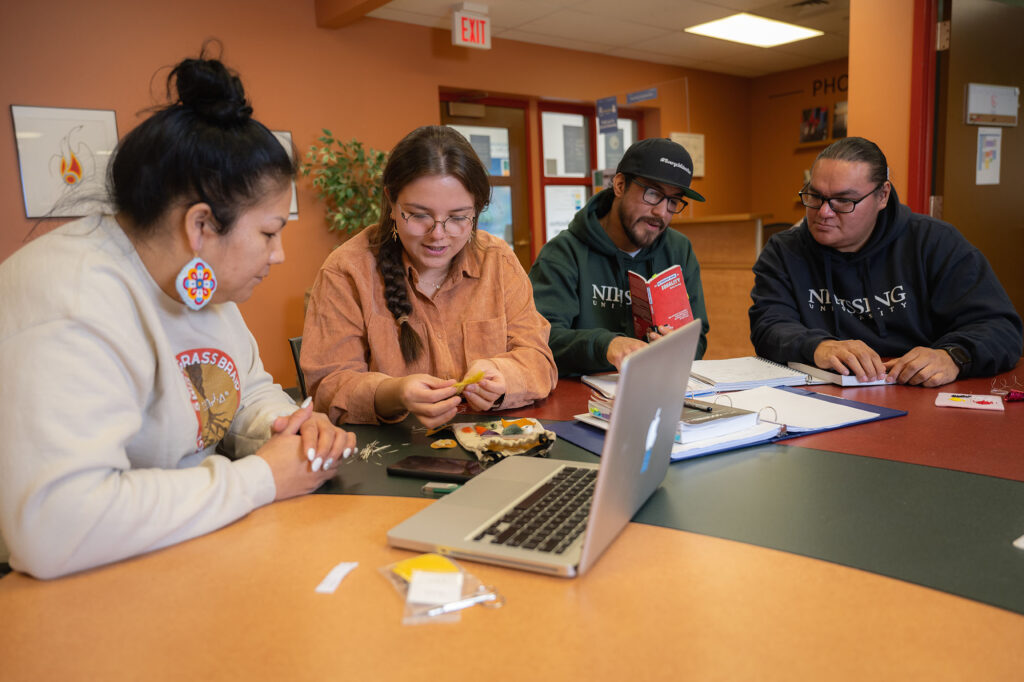
Successful completion of one of the following with a minimum overall average of 60% or equivalent:
- 18 credits or equivalent at an accredited university; or
- One year (2 semesters) or equivalent at an accredited college; or the equivalent of one year of full-time study at an Indigenous Post-Secondary Institute
- Proof of Indigenous ancestry
How to Apply
Each component listed below is required unless indicated otherwise. Application components can be submitted together or separately, up until the final application deadline. Successful candidates will receive an offer letter clearly outlining the program of admission and other pertinent details.
Step 1: Application Form
Complete and submit the Indigenous Education Program Application Form.
Step 2: Proof of Indigenous Ancestry
ITEP applicants must provide proof of Indigenous ancestry. Proof can be emailed to [email protected] OR submitted using the Application Attachments Form.
Step 3: Official Transcripts
Official transcripts from all institutions (domestic or international) previously or presently attended (secondary schools, colleges, and universities) must be sent directly to Nipissing University and must bear the official seal of that institution. Official transcripts can be emailed directly from the institution to [email protected]. Copies will not be accepted.
Step 4: Funding Sponsorship Information Form (Optional)
If applicable, download or print the Funding Sponsorship Information Form and email the completed document to [email protected] OR submit it using the Application Attachments Form.
Step 5: Proof of Name Change (Optional)
Proof of name change is required if academic documents show a name other than that under which your application is made (for example: marriage registration, notarized statements of legal name change or other legal documents). If applicable, submit proof of name change using the Application Attachments Form.
Future Careers
Graduates of Nipissing University’s Indigenous Education programs gain the knowledge, experience, and cultural grounding to become educators and changemakers in diverse educational and community settings.
Where Can an Indigenous Education Degree Take You?
- Inclusive Teaching & Learning: Support Indigenous and non-Indigenous learners with culturally relevant pedagogy and inclusive classroom practices.
- Language Revitalization: Lead efforts to preserve and teach Indigenous languages through specialized programs like Anishnaabemwin as a Second Language.
- Curriculum Development: Create and implement educational materials that reflect Indigenous histories, worldviews, and ways of knowing.
- Community-Based Education: Work in Indigenous communities to deliver education programs that align with local values and priorities.
- Policy & Advocacy: Contribute to educational reform, Indigenous governance, or reconciliation efforts at the school board, provincial, or national level.
Real People, Real Impact
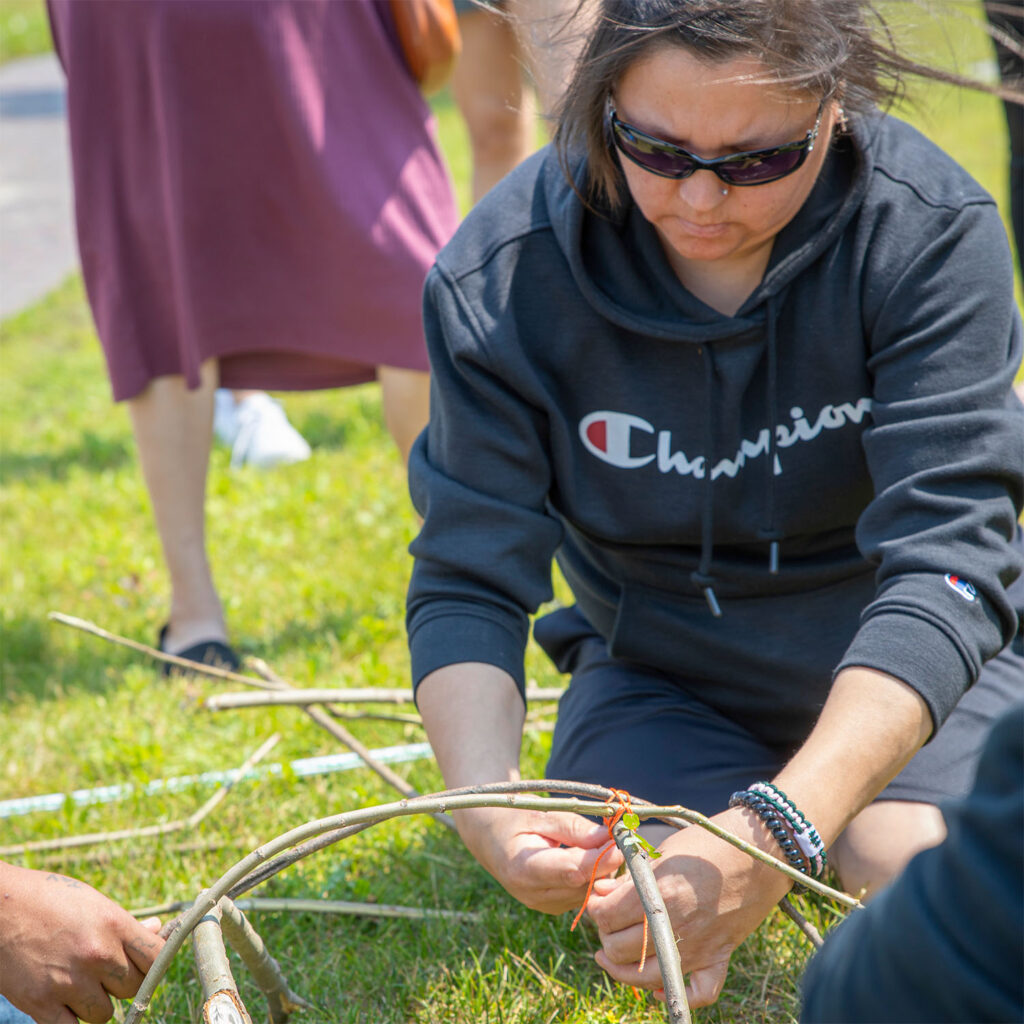
The ITEP program is a great way to stay in your home community while working on your education. This program has prepared me immensely for my career as an educator in an Indigenous school in Constance Lake First Nation.
Jessika C.
Class of 202X
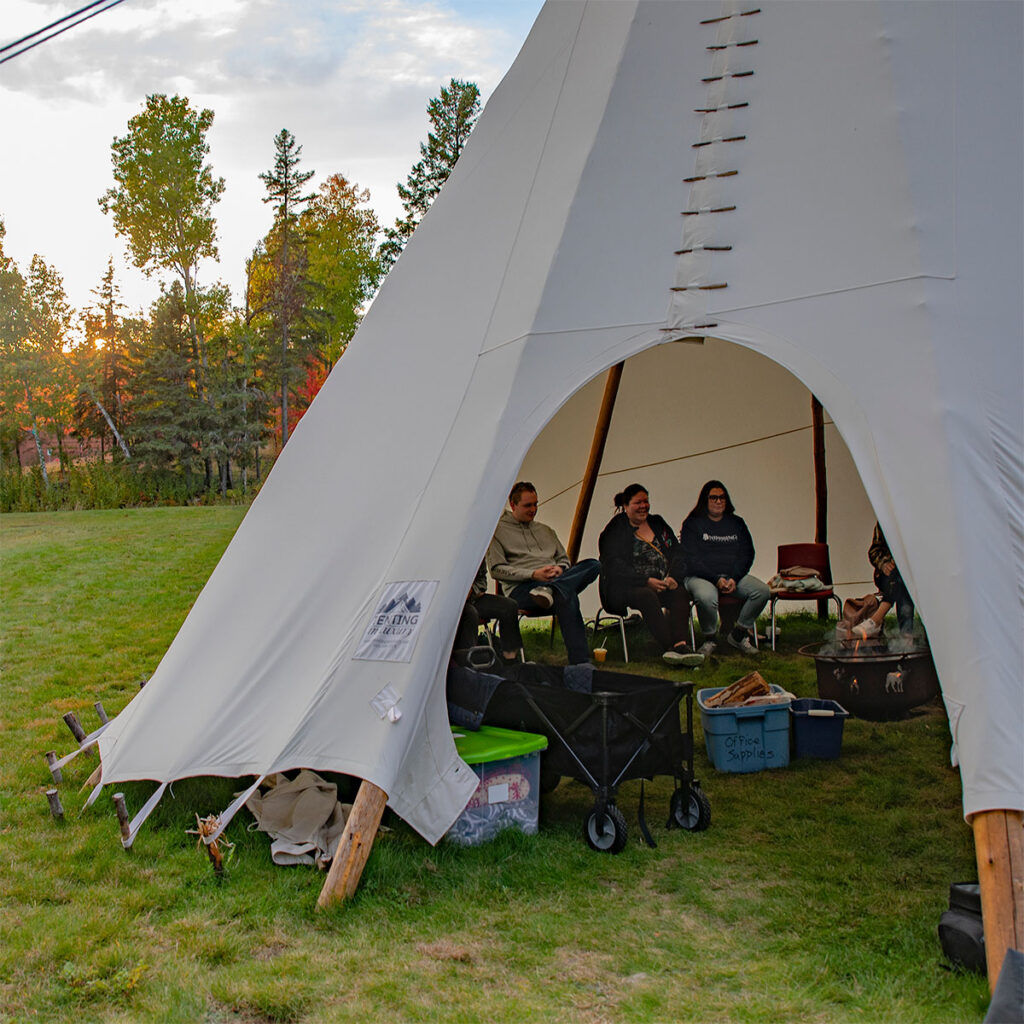
The program supports its students not only academically but culturally as well. They have created a safe space where you are respected and supported to succeed.
Donna M.
Class of 2026
Program Requirements
Find more details about the program and required courses.
Request More Info
Check our FAQ
Thinking of applying to the Schulich School of Education’s Indigenous Teacher Education Program. We’ve answered some common questions below, to help you plan your next steps.
How long is the program?
The program is three years in length.
How is the program organized and scheduled?
The program includes an on-campus summer session in July, along with one online course per semester during the fall, winter, and spring.
When I am finished the program, what am I certified to teach?
Upon successfully completing the Indigenous Teacher Education Program, you will be certified by the Ontario College of Teachers to be qualified to teach Kindergarten to Grade 6 in any school (public, First Nation-administered, or federally administered).
Can I become a member of the Ontario College of Teachers before I finish the program
Yes, after successfully completing Year 1 of the program, you are eligible to receive a Multi-Session Transitional Certificate of Qualification and Registration (MTCQR) from the Ontario College of Teachers. The MTCQR is valid for only 6 years. Once you complete the entire program, you are eligible to receive the final Certificate of Qualification and Registration from the Ontario College of Teachers.
What credential will I receive from Nipissing University when I finish the program?
After successfully completing the program, you will receive one of the following:
- If you do not have an undergraduate degree from a university, you will receive a Diploma in Education from Nipissing University.
- If you earn an undergraduate within 10 years of completing the Indigenous Teacher Education Program, you are eligible to receive your Bachelor of Education Degree.
- If you have an undergraduate degree from a university, you will receive a Bachelor of Education Degree from Nipissing University.
Are there practicum requirements for this program?
Yes, practicum placements are part of the program.
- Year 1: 20 days during fall term, and 20 days during winter term.
- Year 2: 25 days during fall term.
- Year 3: 30 days during fall term.
The practicum days are scheduled consecutive (20 days = 4 weeks, 25 days = 5 weeks, etc.) and must be completed in their entirety during that time. Scheduling individual scattered days is not permitted.
Where can I do my practicum?
You can complete your practicum in any K-6 classroom that delivers the Ontario curriculum, and are supervised by a member of the Ontario College of Teachers.
Can I complete my practicum if I am working full-time?
If you are employed in an educational setting (K-6), ou may be able to complete your practicum in that school. Please speak to your school’s administration and your immediate supervisor to see if there are any restrictions or policies that you must follow if you intend to complete your practicum requirements at your school.
Where do I live when attending the summer session in North Bay?
Nipissing University Residence Services offers summer accommodations for students. If you are arriving on campus with family members, you have the option of renting the 4-bedroom apartment for you and your family!
Can I bring my children with me during the summer session? Are there any youth programs for my children while I am taking my courses?
Yes, Nipissing University’s Extended Learning department offers free Youth Camps throughout the summer for students enrolled in the Indigenous Teacher Education Program. The weekly camps are for children aged 4 to 12 years of age. Please see https://extendedlearning.nipissingu.ca for specific details on camp programming and registration.
What supports do you provide for students?
We have a dedicated Student Success Coordinator who assists all our students, starting when someone first applies to the program all the way to graduation. The Student Success Coordinator helps all students access cultural supports (ex. Elders, Counsellors), locate financial supports (bursaries, scholarships) and navigate the administrative policies of the program and university. When on campus in July, students have access to the Office of Indigenous Initiatives’ student lounge, and an Elders room.
If I have other questions, who should I contact?
Please use the email address provided below, and we will respond to your questions as soon as possible or forward them to the appropriate department.
Explore Other Programs

Notes:
The program consists of three onsite summers sessions held at Nipissing University in North Bay, online courses are held during the fall, winter and spring sessions, and 3 in-school internships.
Disclaimer:
While every effort is made to ensure accuracy on this site, in the event of a discrepancy, Nipissing’s Academic Calendar is the official reference.