

Teacher of Indigenous Language as a Second Language
Indigenous Program Overview
All Students
**
About the Program
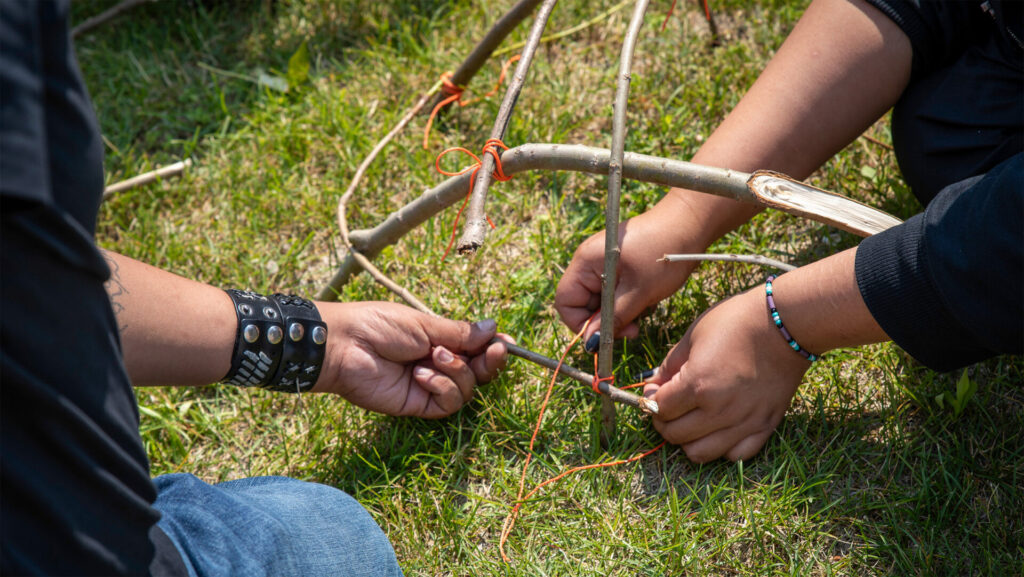
The Teacher of Indigenous Language as a Second Language (TILSL) Degree/Diploma Program provides students with proficient fluency in either Anishnaabemwin, Cree, Lunaape, Mohawk or Cayuga the opportunity to earn a Certificate of Qualification and Registration from the Ontario College of Teachers: Indigenous Language (K-12). Indigenous language teacher candidates gain understandings of culturally based teaching strategies to prepare and deliver Indigenous language programming for students in grades Kindergarten to Grade 12 in Ontario schools. The program’s schedule is designed for working educational professionals, completing online courses during the school year, and on-campus courses during July
Resources
Program Related
Admission Requirements
- Minimum completion of Ontario Grade 12 or equivalent. Candidates without grade 12 can be admitted if they are 20 years or older and have been out of school for two years or more;
- Two letters of reference of which one letter is from an individual (not a family member) in a professional capacity who can attest to your level of fluency (Chief and Council, Education Director, Education Authority Board member, Cultural Committee member, etc.)
How to Apply
Each component listed below is required unless indicated otherwise. Application components can be submitted together or separately, up until the final application deadline. Successful candidates will receive an offer letter clearly outlining the program of admission and other pertinent details.
Step 1: Application Form
Complete and submit the Indigenous Education Program Application Form.
Step 2: Official Transcripts
Official transcripts from all institutions (domestic or international) previously or presently attended (secondary schools, colleges, and universities) must be sent directly to Nipissing University and must bear the official seal of that institution. Official transcripts can be emailed directly from the institution to [email protected]. Copies will not be accepted.
Step 3: Reference Letter
TILSL applicants must provide a letter of reference. Reference letters can be emailed directly from the person providing the reference to [email protected].
Step 4: Referee Attestation – Statement of Fluency
TILSL applicants must have an individual not a family member) in a professional capacity who can attest to your level of fluency (for example: Chief of Council, Education Director, Education Authority Board Member, Cultural Committee Member). The Referee Attestation – Statement of Fluency can be emailed directly from the person providing the attestation to [email protected].
Step 5: Funding Sponsorship Information Form (Optional)
If applicable, download or print the Funding Sponsorship Information Form and email the completed document to [email protected] OR submit it using the Application Attachments Form.
Step 6: Proof of Name Change (Optional)
Proof of name change is required if academic documents show a name other than that under which your application is made (for example: marriage registration, notarized statements of legal name change or other legal documents). If applicable, submit proof of name change using the Application Attachments Form.
Future Careers
Graduates emerge ready for roles such as:
- Indigenous language teacher (K–12)
- Language program coordinator or curriculum developer
- Cultural curriculum consultant or educational resource developer
- Community language revitalization leader
- Educational roles supporting Indigenous language preservation initiatives
This program equips graduates with the pedagogical knowledge, curriculum planning skills, and cultural expertise to lead language instruction in schools and communities, while also providing a strong foundation for ongoing professional development or further study in Indigenous education.
Real People, Real Impact
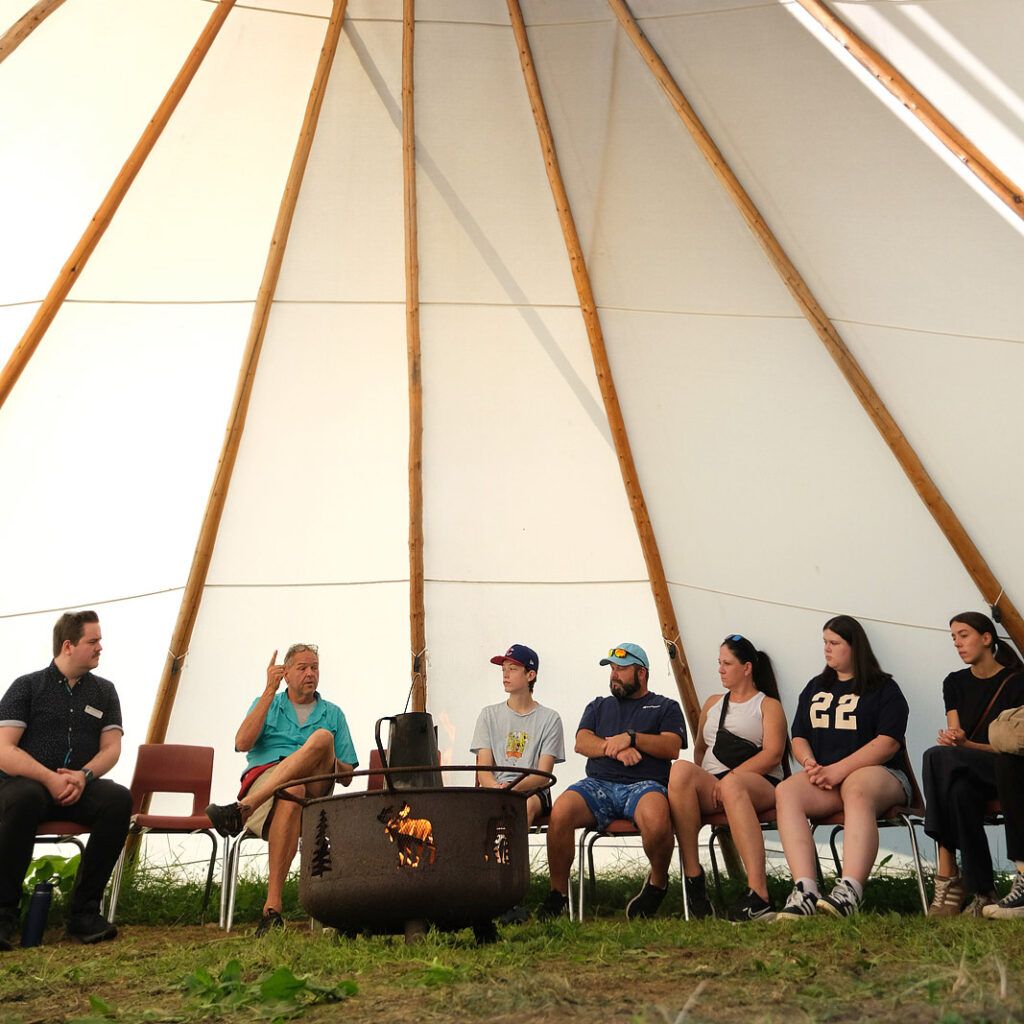
The program supports its students not only academically but culturally as well. They have created a safe space where you are respected and supported to succeed.
Donna M.
Class of 2026
The smaller class sizes make it easier to engage and collaborate with my peers, and I like how I can take a variety of classes that can inspire me to extend my future career.
Sydney D
Class of 2029
Program Requirements
Find more details about the program and required courses.
Request More Info
Explore Other Programs


Notes:
The program consists of three onsite summer sessions to be held at Nipissing University in North Bay, online courses held during the fall, winter and spring sessions, and three in-school internships.
Disclaimer:
While every effort is made to ensure accuracy on this site, in the event of a discrepancy, Nipissing’s Academic Calendar is the official reference.