
Sociology (MA)
Graduate Program Overview
Apply Theory. Investigate Social Issues. Advance Community WellBeing.
The Master of Arts (MA) in Sociology – Applied Social Research degree will focus on applying social theories and research methodologies to understand and address a wide range of social issues and challenges across diverse communities in Canada and around the world. Students may pursue a one-year Major Research Paper (MRP) or a two-year Thesis Research Project (TRP). Both pathways offer work-integrated learning (WIL) through a unique practicum opportunity with a partner organization, allowing students to apply research skills in real-world settings.
Program Highlights
Over a 24–27 credit program, you will:
- Complete core courses such as Advanced Sociological Theory; Research Design; and either Quantitative Analysis or Qualitative Analysis
- Choose your path:
- MRP Route: three required courses + three electives + Major Research Paper (six credits) in one year
- TRP Route: three required courses + two electives + thesis (12 credits) in two years
- Optionally complete a practicum component partnering with applied organizations
- Work alongside faculty on original research addressing social, demographic, policy, or justice issues
- Gain applied research, evaluation, and policy skills valued across sectors
Program Structure
Choose Program Type
Major Research Paper (MRP):
Full-time Length: 1 year
Flex-time Length: Up to 3 years
Both options are designed for students who conduct library-based research, including literature reviews and secondary analyses of data (e.g., census and survey data), with a focus on a wide range of social issues and policy contexts affecting individuals and communities in Canada and around the world. These options are well-suited for students seeking career opportunities as research, policy, or evaluation analysts in government, non-profit, or private sectors. Students will be supported by an MRP committee consisting of a faculty supervisor and a consulting member from a relevant organization connected to the student’s chosen project.
Thesis Route:
Full-time Length: 2 years
Flex-time Length: Up to 4 years
Both options are designed for students who plan to undertake original, primary empirical research that addresses a broad range of social issues affecting individuals and communities in Canada and around the world. These options are well-suited for students intending to pursue further academic studies or to work in research-intensive roles within community organizations, the private sector, or government. Students will be supported by a TRP committee consisting of a faculty supervisor, two additional faculty members, and a consulting member from an organization relevant to the student’s project.
Find Programs & Degree Requirements
These links give information on required credits and degree requirements.
Graduate Student Funding
Financial Aid, Scholarships, Bursaries & Awards
Funding is available to graduate students from both internal and external sources. Internal funding includes teaching/research assistantships, faculty research grants, and Nipissing Graduate Scholarships.
Meet our Faculty
Discover how Nipissing’s faculty is shaping how we understand the social world
Nipissing University’s Sociology faculty are engaged scholars committed to understanding real-world social issues through research, teaching, and community connection. Students benefit from close mentorship, small class sizes, and opportunities to explore topics such as health, inequality, family, and social change in a supportive academic environment.
Dr. Amir Erfani, Professor
Faculty of Arts and Science – Social and Cultural Studies – Sociology
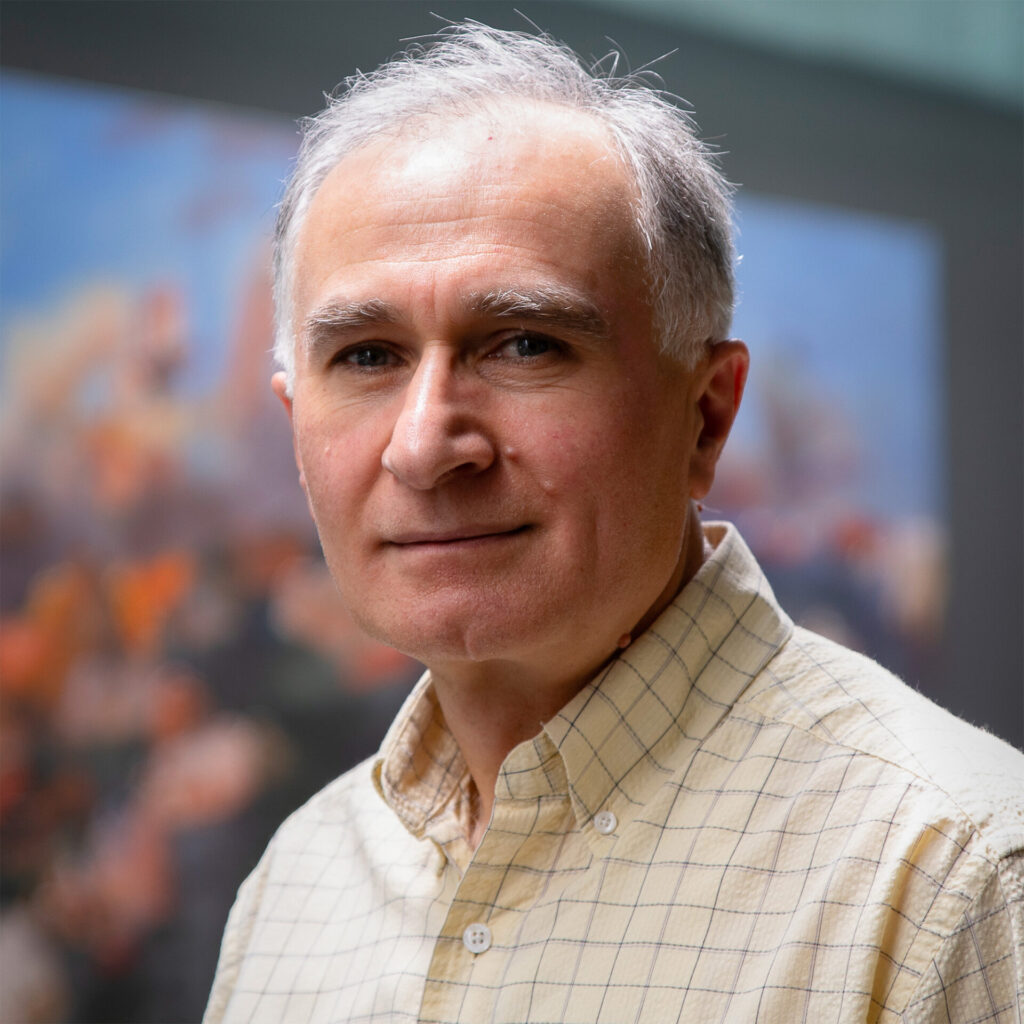
Dr. Amir Erfani, Professor of Sociology and Demography at Nipissing University has focused much of his career on the study of demographic problems pertaining to childbearing and fertility, reproductive health, family, and health inequalities. His recent projects focus on investigating low fertility and fertility intentions in relation to family transformation, gender inequality and uncertainty.
Resources
Program Related

Admission Requirements
To qualify for admission, students must have a four-year undergraduate degree or equivalent as recognized by Nipissing University in an appropriate discipline, with a minimum B standing.
To find specific requirements details, use the buttons below
Future Careers
Graduates build advanced analytical, research, and communication capabilities applicable to:
- Policy analyst, research consultant, or evaluator in government and social service sectors
- Data analyst or research specialist in education, healthcare, labour relations, corrections, or community development
- NGO or nonprofit research and evaluation roles
- Preparation for doctoral studies in Sociology, Anthropology, Criminology, or related disciplines
The program’s applied focus equips students to enact meaningful change in community, government, or academic environments.
Real People, Real Impact
This program pushed me to see the world differently and ask better questions. The discussions, research opportunities, and mentorship shaped both my academic and professional path.
Megan R.
Class of 2023
I appreciated how hands-on and relevant the coursework was. It prepared me to apply sociological thinking in real-world settings right after graduating.
Alex P.
Class of 2019
Find a Supervisor
Access our comprehensive guide with advice, best practices, and actionable steps for finding the right supervisor.
Request More Info
Explore Other Programs
History (MA)
Notes:
Flex-time available for MRP or Thesis route. Flex-time is how Graduate Studies refers to part-time student.
Disclaimer:
While every effort is made to ensure accuracy on this site, in the event of a discrepancy, Nipissing’s Academic Calendar is the official reference.