
Environmental Science
Undergraduate Program Overview
All Students
Confront Big Questions in Our Changing Environment
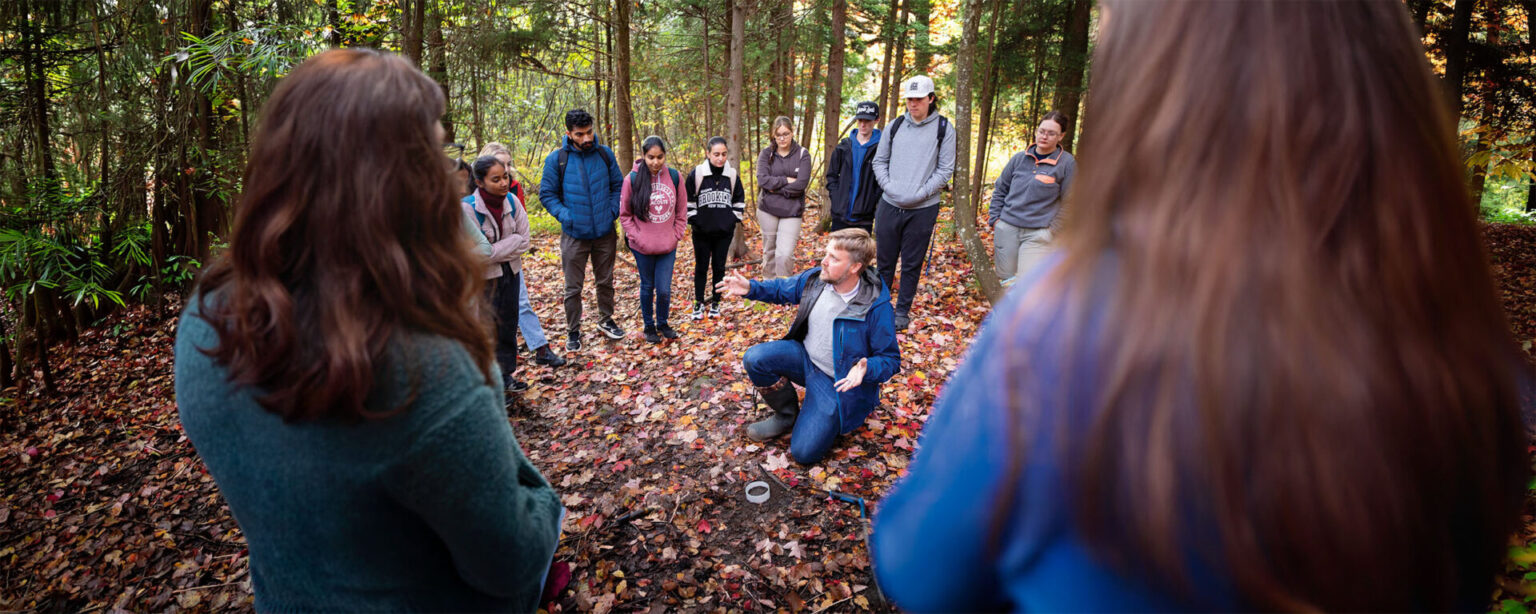
Environmental challenges like climate change, biodiversity loss, and resource management are among the most urgent issues of our time. Nipissing University’s Environmental Science program offers an interdisciplinary, science-focused approach training across biology, chemistry, geography, and environmental research. This program prepares students to address complex environmental problems in ways that engage governments, industry, and Indigenous communities.
Program Highlights
- Climate and Environmental Change: Explore the science behind shifting ecosystems and weather patterns.
- Environmental Chemistry: Gain specialized knowledge through a certificate option that focuses on chemical processes shaping the environment.
- Ecology & Resource Management: Study the dynamics of living populations, ecosystems, and sustainable practices.
- Human–Environment Interaction: Understand the connections between natural and human landscapes, with a focus on northern and Indigenous contexts.
Program Related Certificates:
Resources
Program Related
Why Nipissing's Environmental Science Program?
Interdisciplinary Focus
Learn to approach environmental issues from multiple scientific perspectives.
Cutting-Edge Expertise
Study with faculty recognized nationally and internationally, including Canada Research Chairs in environmental research.
Real-World Learning
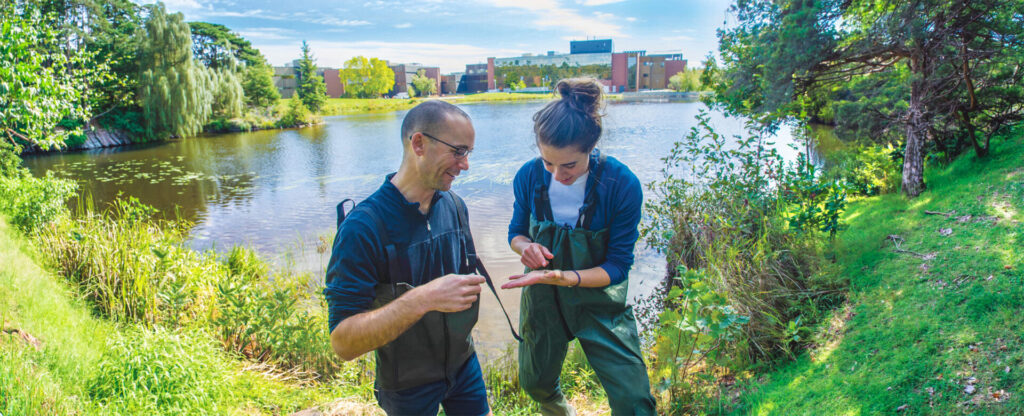
Participate in fieldwork, lab-based research, and community-engaged projects.
Small Classes, Big Impact
Experience mentorship and collaboration in a supportive learning environment.
Pathway to Graduate Studies
Build a foundation for Nipissing’s MES/MESc program and other advanced studies.

Admission Requirements
To qualify for admission, students must meet the General Admission Requirements, plus program specific prerequisites.
General Admission Requirements include:
Ontario Secondary School Diploma including six 4U/4M courses
Future Careers
An Environmental Science degree from Nipissing University prepares graduates to understand, assess, and address complex environmental challenges across natural and human systems. Graduates may pursue roles in:
Graduate & Professional Studies
Environmental science, environmental studies, planning, sustainability, or related STEM graduate programs.
Industry & Government
Environmental technicians, environmental monitoring specialists, climate adaptation officers, or natural resource management professionals.
Conservation & Community Organizations
Conservation officers, sustainability coordinators, Indigenous government environmental staff, or non-profit environmental advocates.
Real People, Real Impact
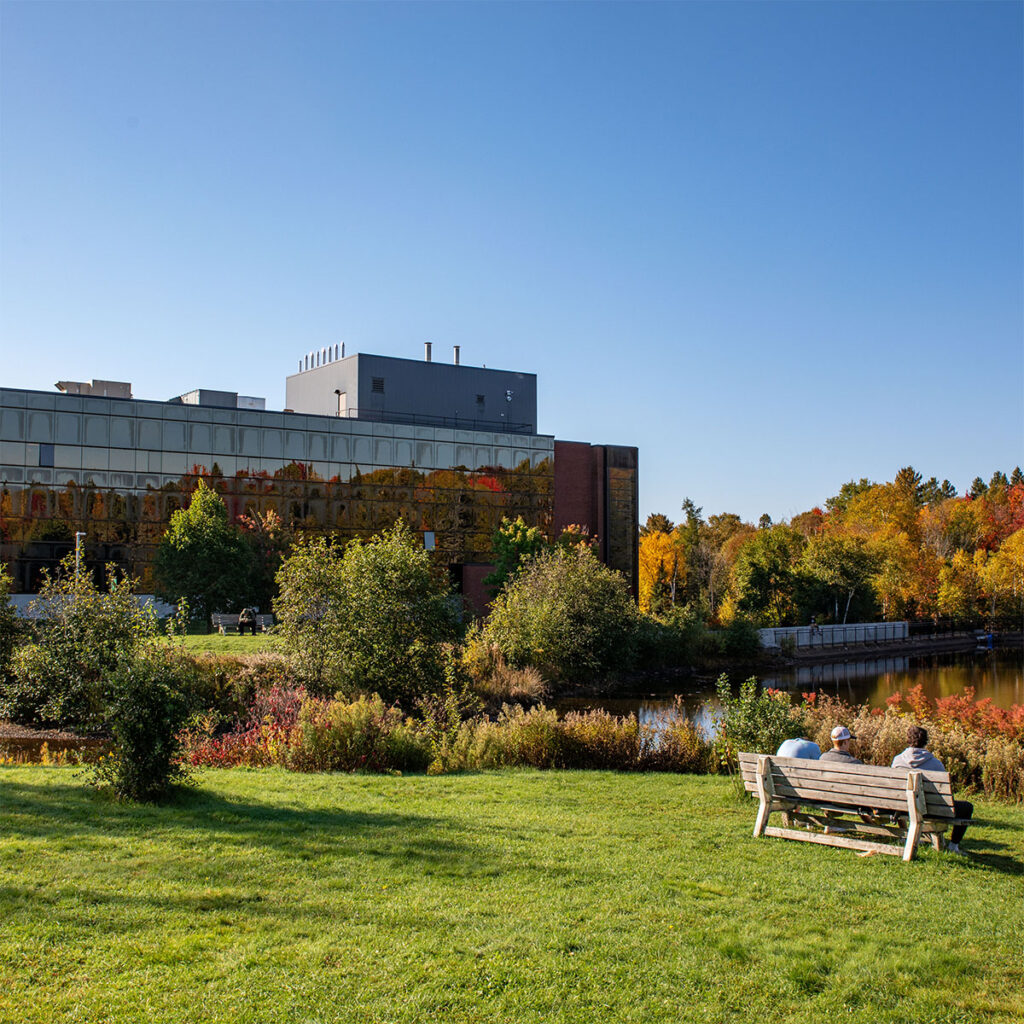
I really enjoy the supportive professors and engaging classes in my program, which make the learning environment very positive and motivating.
Vruddhi S.
Class of 2028
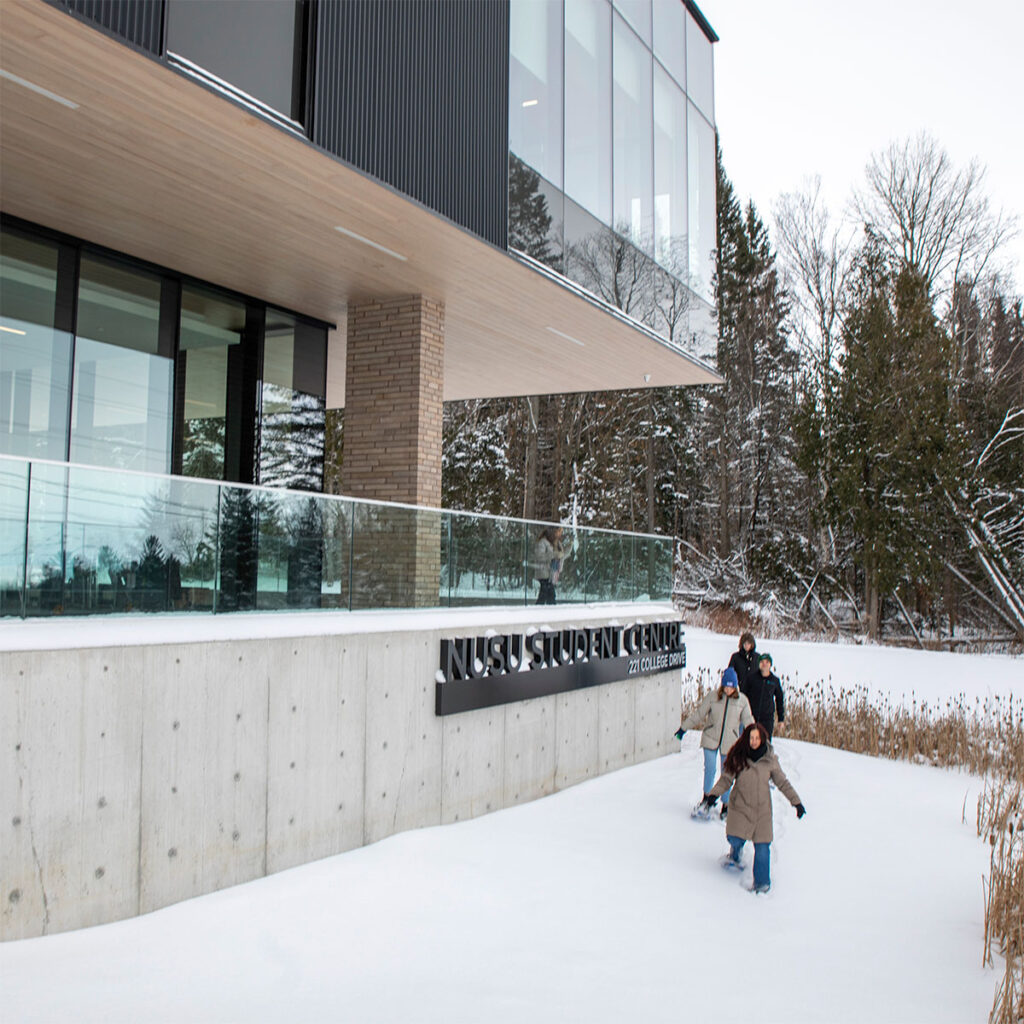
My favourite parts are the class sizes and how informative and helpful the profs are! All of them are experienced in their fields, and can provide students with in depth knowledge from real-world situations. Nipissing is a place to grow academically and as a individual!
Hailey V.
Class of 2030
Program Requirements
How the Common Degree Structure Works
At Nipissing, you can choose a minor, major, specialization, or honours specialization—each offering a different level of focus and flexibility to match your goals.
Check out this breakdown of the Common Degree Structure to see how you can make your interests fit your degree.
Program Options & Course Requirements
Find required courses for each type of specialization using this link.
Request More Info
Explore Other Programs

Disclaimer:
While every effort is made to ensure accuracy on this site, in the event of a discrepancy, Nipissing’s Academic Calendar is the official reference.