
Environmental Biology & Technology
Undergraduate Program Overview
All Students
Lead the Future of Environmental Science & Sustainability
Are you passionate about protecting the environment and solving real-world ecological challenges? Nipissing University’s Environmental Biology and Technology program provides the perfect blend of hands-on fieldwork, cutting-edge research, and industry-driven skills to prepare you for a successful career in the environmental sector.
Program Highlights
Through a mix of theory and applied training, you’ll develop critical skills in:
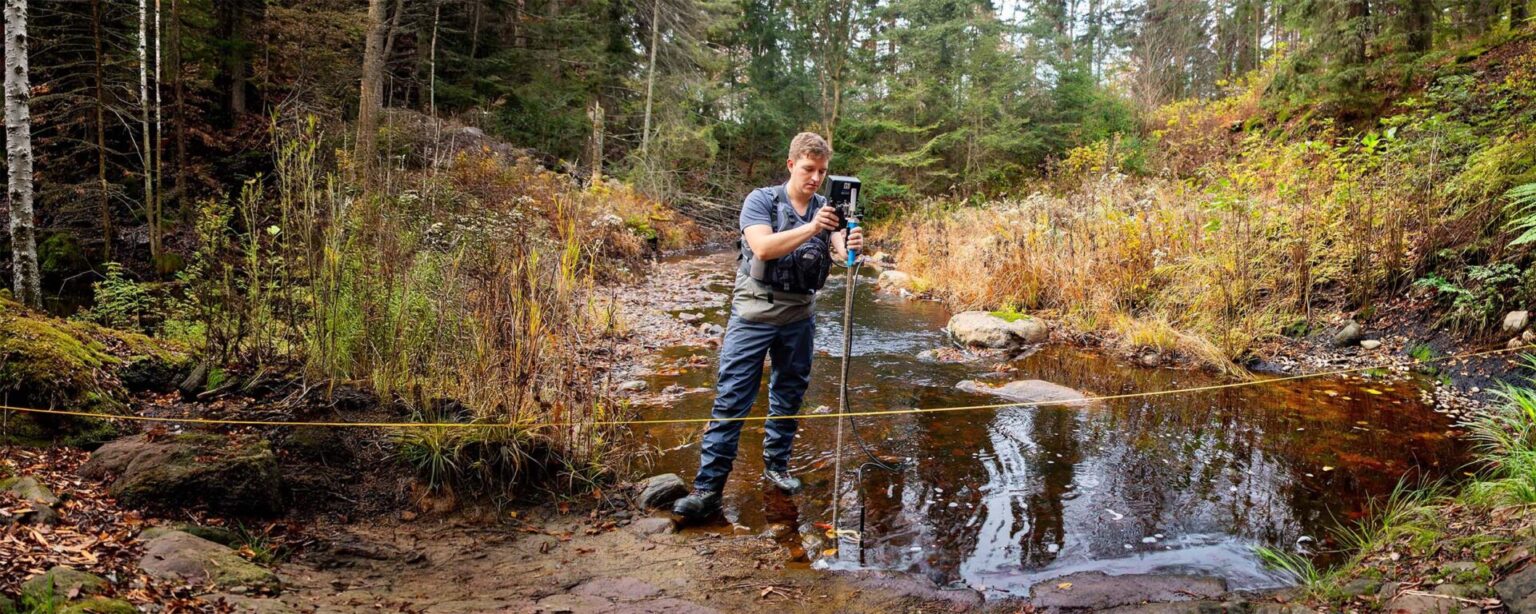
- Ecosystem Assessment & Environmental Monitoring: Learn how to assess ecosystems and monitor environmental change using fieldwork, lab analysis, and applied research techniques.
- Conservation & Sustainability Practices: Explore strategies for protecting biodiversity and promoting sustainable resource management across natural and built environments.
- Environmental Biotechnology Applications: Study how biotechnology is used to address environmental challenges, from remediation to ecological restoration.
- Soil, Water & Air Quality Analysis: Gain hands-on experience testing and analyzing environmental samples to support environmental protection and remediation efforts.
- Environmental Legislation & Ethical Practice: Understand environmental laws, reporting requirements, and ethical responsibilities that guide professional environmental work.
- Climate Change & Habitat Protection: Examine the science of climate change and develop strategies to protect ecosystems and habitats in a changing world.
You’ll also gain access to tools and technologies used in environmental research and assessment, such as GIS, GPS mapping, and laboratory instrumentation.
Resources
Program Related
Why Nipissing's Environmental Biology & Technology Program?
Innovative Curriculum
Gain expertise in ecology, conservation biology, biotechnology, and environmental management through engaging coursework and applied learning.
Practical Experience
Benefit from extensive field research, lab work, and a paid co-op placement that gives you valuable on-the-job experience.
College Integration
Earn both a university degree and a college Environmental Technician diploma through our unique partnership with Canadore College.
State-of-the-Art Facilities
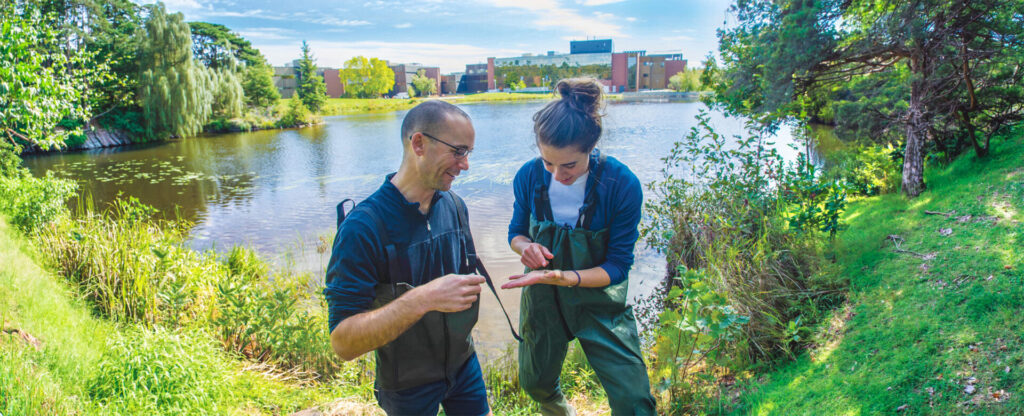
Study in modern labs and explore the rich natural ecosystems surrounding our North Bay campus.
Supportive Learning Environment
Small class sizes and dedicated faculty ensure personalized mentorship and academic support.

Admission Requirements
To qualify for admission, students must meet the General Admission Requirements, plus program specific prerequisites.
General Admission Requirements include:
Ontario Secondary School Diploma including six 4U/4M courses
Future Careers
An Environmental Biology & Technology degree from Nipissing University prepares graduates to apply biological science and technical skills to environmental protection, sustainability, and research. Graduates may pursue roles in:
Environmental Monitoring & Consulting
Environmental technicians, restoration project coordinators, environmental consultants, or Indigenous environmental project staff.
Research & Applied Science
Research assistants, lab technologists, field researchers, climate science support roles, or habitat restoration technicians.
Policy & Environmental Regulation
Environmental policy analysts, conservation planning assistants, land use or environmental regulation support staff.
Real People, Real Impact
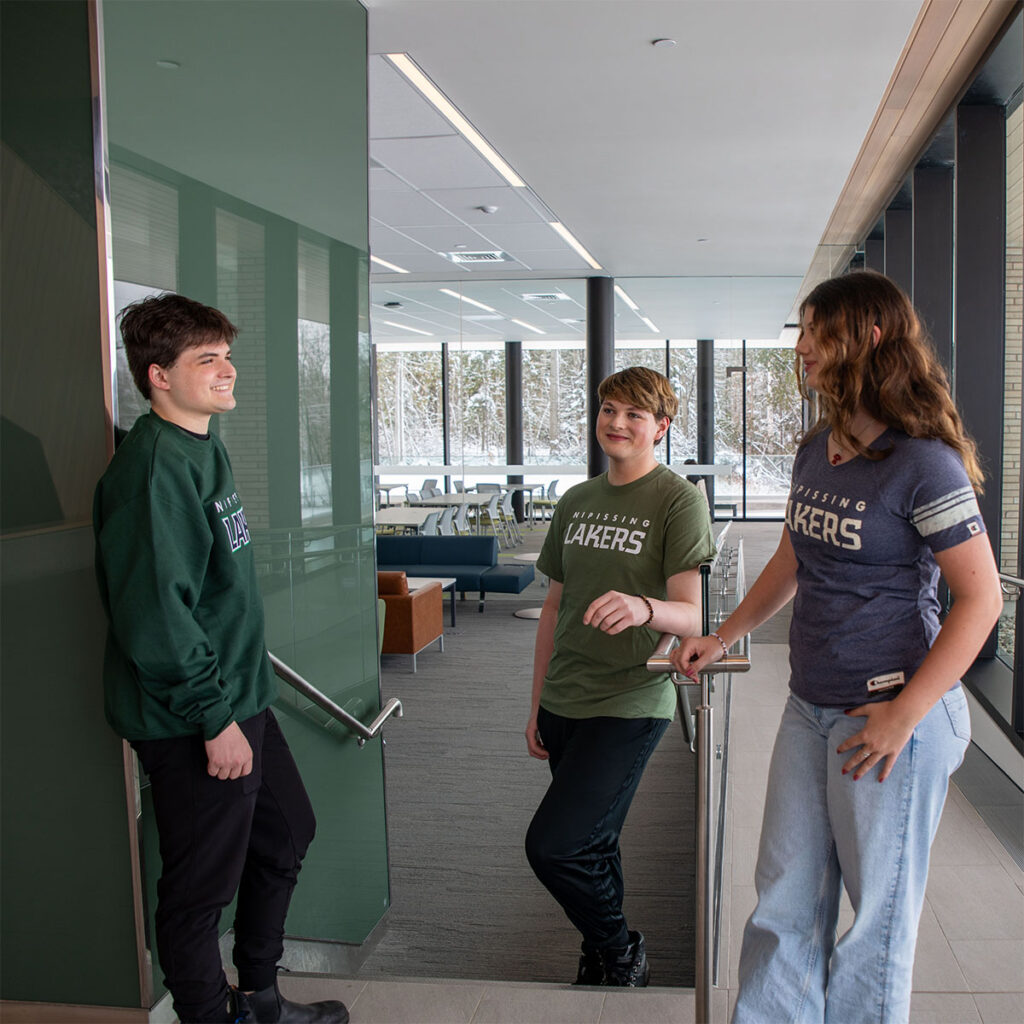
I love the Environmental Biology and Technology joint program with Canadore College. I quite enjoy the laboratory sessions with professors that really [get to] know you.
Ryan N.
Class of 2026
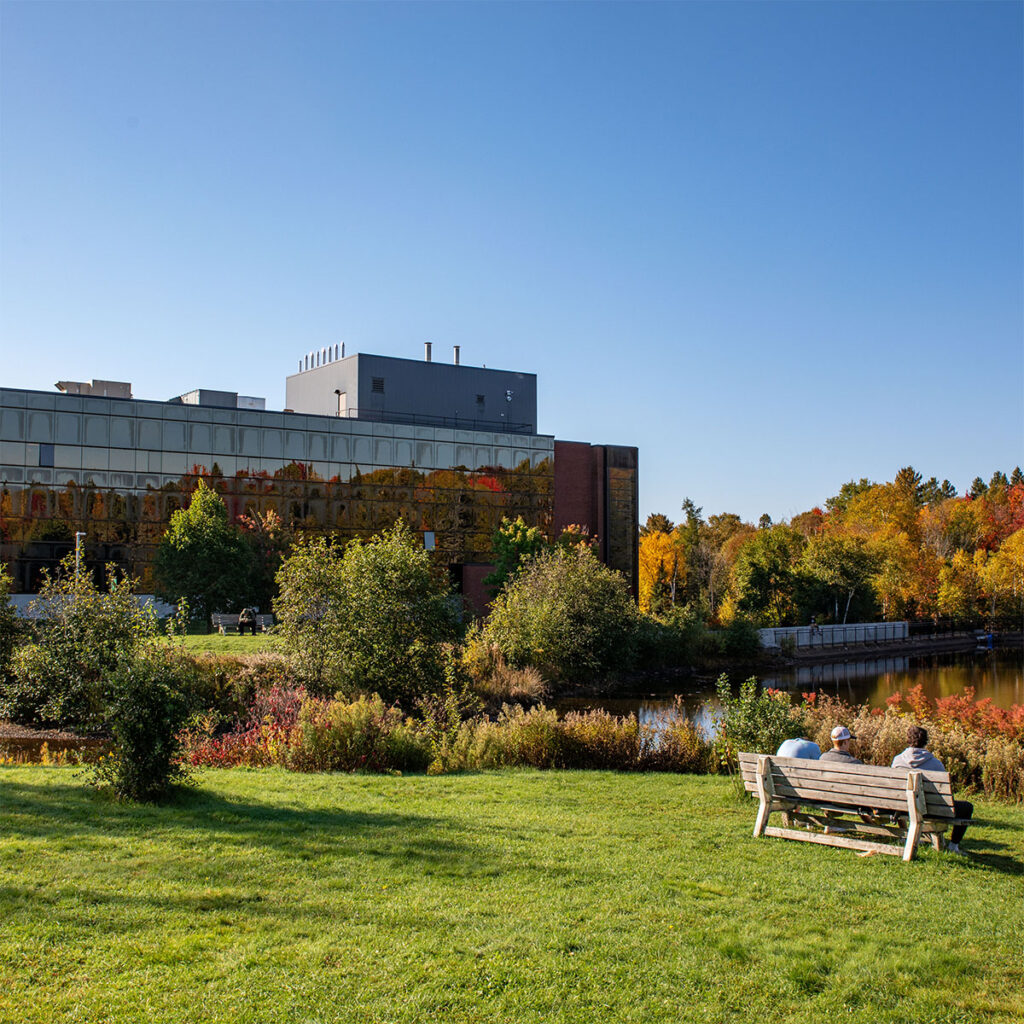
The professors and classes in the Environmental Biology and Technology program are always fun and engaging.The lab portions of the classes are always my favorite and I love the small class sizes.
Alexander D.
Class of 2028
Program Requirements
How the Common Degree Structure Works
At Nipissing, you can choose a minor, major, specialization, or honours specialization—each offering a different level of focus and flexibility to match your goals.
Check out this breakdown of the Common Degree Structure to see how you can make your interests fit your degree.
Program Options & Course Requirements
Find required courses for each type of specialization using this link.
Request More Info
Explore Other Programs

Disclaimer:
While every effort is made to ensure accuracy on this site, in the event of a discrepancy, Nipissing’s Academic Calendar is the official reference.