
Environment & Physical Geography
Undergraduate Program Overview
All Students
Explore the Earth’s Systems & Environments – From Local Landscapes to Global Chang
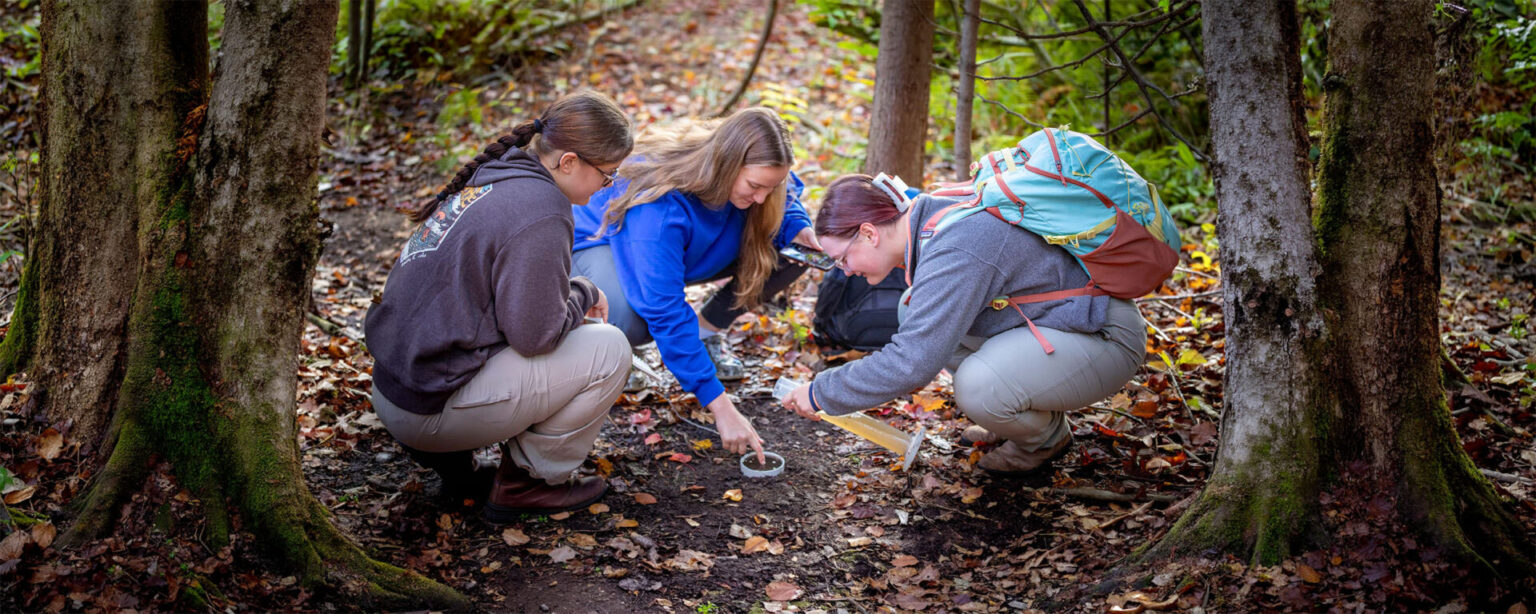
Are you passionate about the natural world and how physical environments shape our lives? The Environmental and Physical Geography undergraduate program at Nipissing University provides a dynamic and hands-on education in the Earth’s systems, processes, and human-environment interactions. Through fieldwork, lab work, and geospatial technologies, you’ll gain the tools to address real-world environmental challenges.
Program Highlights
The Environmental & Physical Geography program explores the patterns, processes, and systems that shape Earth’s surface, atmosphere, and human-environment relationships, including:
- Climate Systems & Change: Study climate systems and global climate change.
- Landform Development: Examine geomorphology and the formation of landforms.
- Water Resources: Investigate watershed dynamics and freshwater resource management.
- Soil & Vegetation Analysis: Explore soil science and vegetation patterns and interactions.
- Geospatial Technology: Apply remote sensing and spatial data visualization techniques.
- Human–Environment Systems: Analyze human-environment interactions and sustainable land use practices.
Program Related Certificates:
Resources
Program Related
Why Nipissing's Environment & Physical Geography Program?
Field-Based Learning
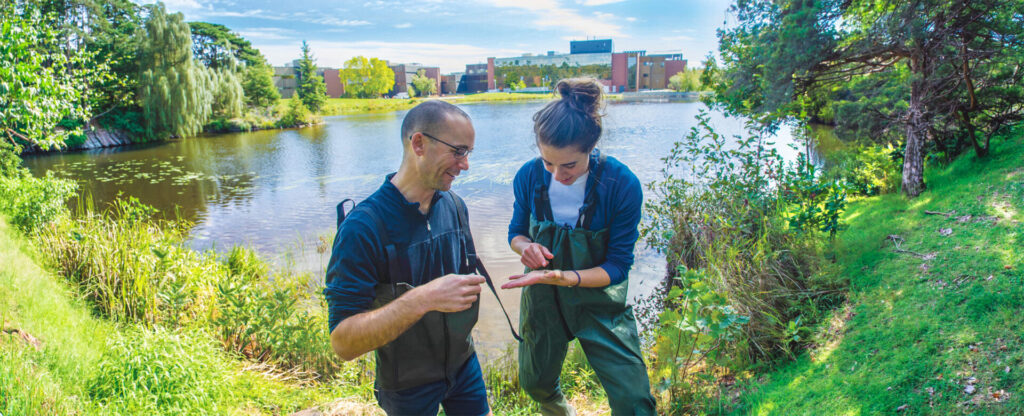
Take your learning beyond the classroom with extensive field courses, local excursions, and travel-study opportunities that bring geography to life.
Geospatial Technology Training
Gain in-demand skills in Geographic Information Systems (GIS), remote sensing, cartography, and spatial analysis.
Supportive Learning Environment
Our small class sizes ensure personalized attention and mentorship from award-winning faculty who are active researchers in geomorphology, climatology, and hydrology.
Research Opportunities
Engage in undergraduate research projects, community collaborations, and environmentally focused initiatives that contribute to sustainability and land management.
Interdisciplinary Flexibility
Combine your geography studies with other disciplines like environmental biology, history, Indigenous studies, or education.

Admission Requirements
To qualify for admission, students must meet the General Admission Requirements, plus program specific prerequisites.
General Admission Requirements include:
Ontario Secondary School Diploma including six 4U/4M courses
Future Careers
A Geography degree from Nipissing University equips graduates with spatial, environmental, and analytical skills that prepare them for careers in planning, sustainability, research, and public service. Graduates may pursue roles in:
Graduate Studies & Research
Master’s or doctoral studies in physical geography, environmental science, urban planning, GIS, or geospatial technologies.
Public & Private Sector Roles
Environmental monitoring specialists, land use planners, conservation officers, emergency management coordinators, or environmental consultants.
Government, Community & Consulting Careers
Government agency staff, Indigenous organization employees, non-profit professionals, education support roles, or consulting firm analysts.
Real People, Real Impact
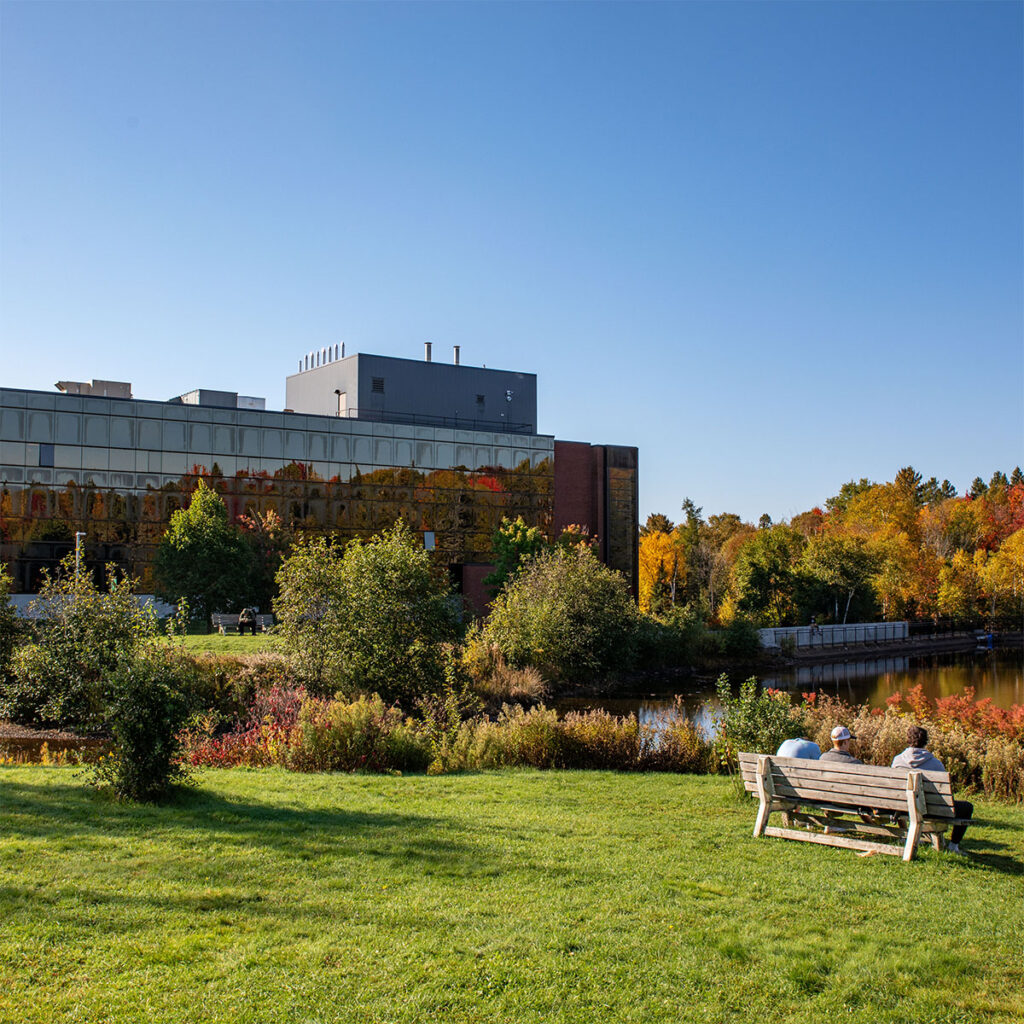
I love the Environmental and Physical Geography program because of all of the hands-on opportunities. The reduced class sizes, [and] supportive and friendly professors make learning fun and easy.
Joshua C.
Class of 2027
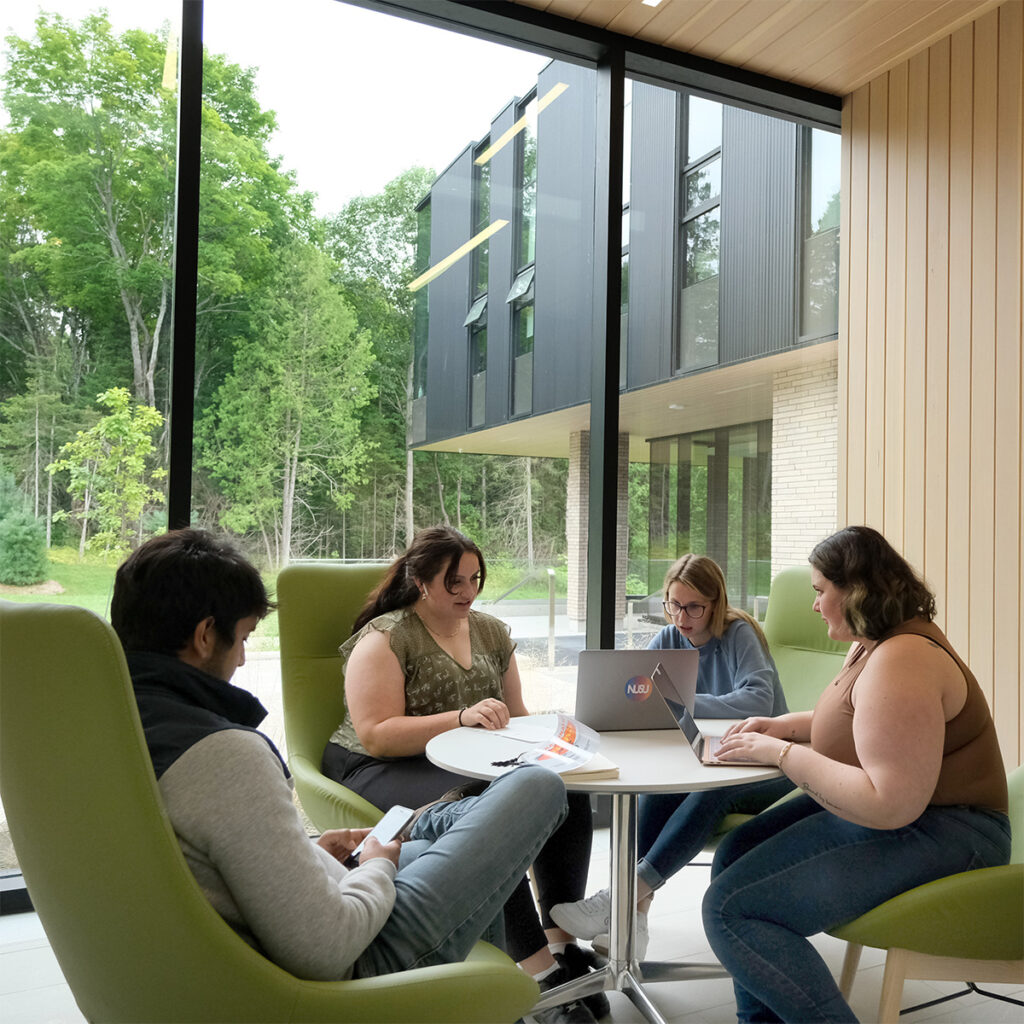
I have had the opportunity to also be apart of hands-on lab experiences and have always left my lab feeling like I know more information and can share it with others.
Brair L.
Class of 2026
Program Requirements
How the Common Degree Structure Works
At Nipissing, you can choose a minor, major, specialization, or honours specialization—each offering a different level of focus and flexibility to match your goals.
Check out this breakdown of the Common Degree Structure to see how you can make your interests fit your degree.
Program Options & Course Requirements
Find required courses for each type of specialization using this link.
Request More Info
Explore Other Programs
Disclaimer:
While every effort is made to ensure accuracy on this site, in the event of a discrepancy, Nipissing’s Academic Calendar is the official reference.